What is actually in the e-car batteries?


We car nerds have to rethink. If you want to impress, you are on your way to a dead end with the knowledge of overhead camshafts, turbo technology and timing chains or soon at the classic regulars' table among like-minded people.
Instead of talking about intercoolers, injection pressures and dry sump lubrication, we experts have to talk about nickel-manganese-cobalt batteries (NMC), lithium iron phosphate electricity storage (LFP) and the advantages of silicon in anodes or the disadvantages of cobalt in our car power storage systems. Sounds complicated, true, but so were cylinder heads with two adjustable overhead camshafts and five valves per combustion chamber.
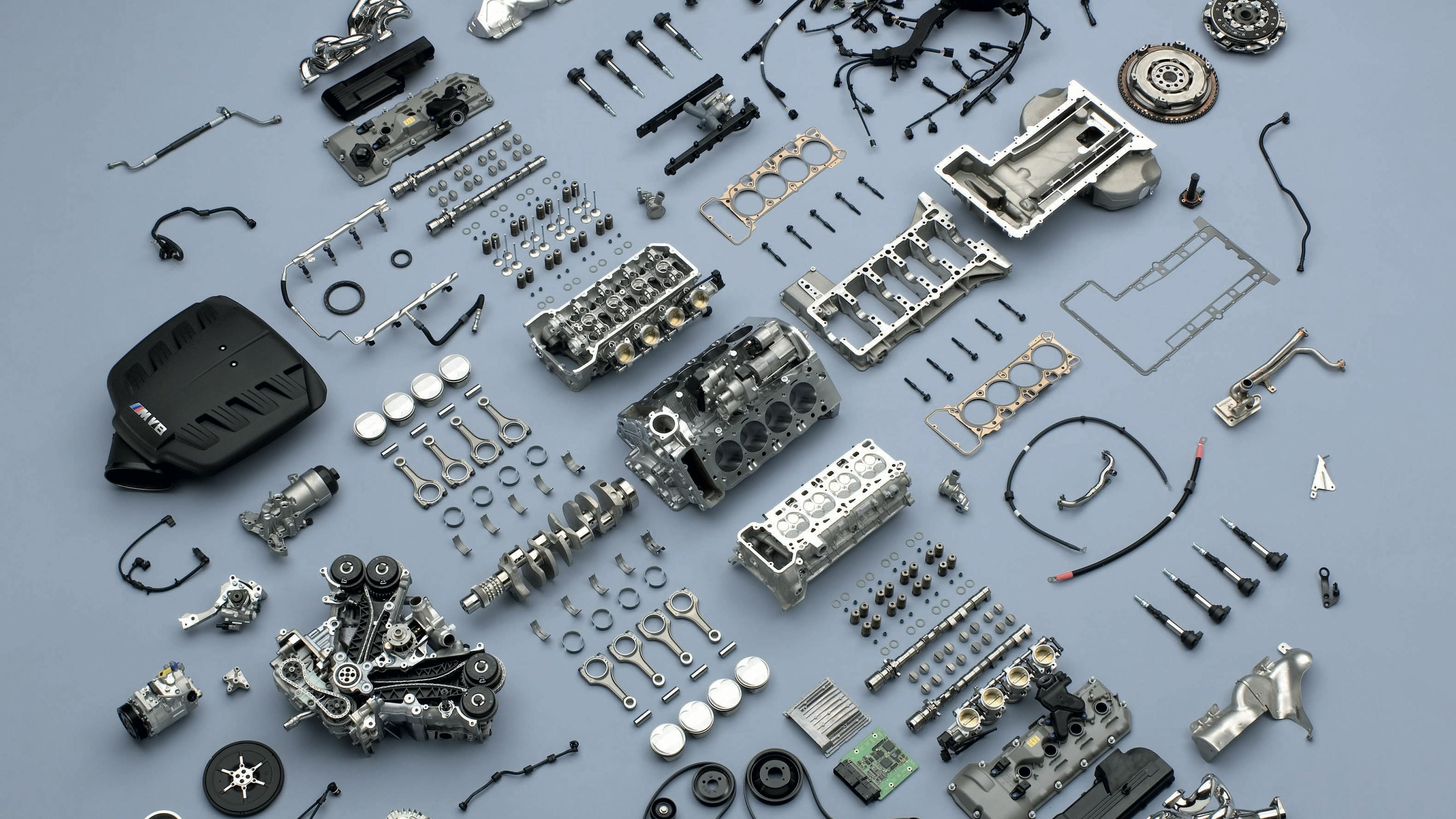
So let's dive into the chemistry toolkit of e-mobility and pick out the elements that we should know if we want to better understand our car batteries.
A question of raw materials, many are expensive and come from problematic mining
Again and again we hear how expensive and rare the raw materials are that are in the batteries. For example, cobalt. This raw material is a conductive and, above all, rare metal that occurs in Central Africa – experts estimate that it accounts for 70 to 90 percent of the world's reserves – but also in Canada, Australia, Russia and the USA. It is used in the positive pole of lithium-ion batteries and is the load-bearing structure there as cobalt oxide because it provides stability, is highly conductive and promises a high energy density. It is also very heat-resistant and thus prevents the batteries from deforming when they are charged or discharged.
Because cobalt is so expensive and is often mined under ethically questionable circumstances, especially in Africa, the industry has long sought to use other materials in the cathode of the batteries. Nickel and manganese are suitable for this. They continue to displace cobalt, although their use somewhat reduces the energy density in the batteries. This is a bearable disadvantage in view of the great cost advantages and better availability that the substitutes bring.
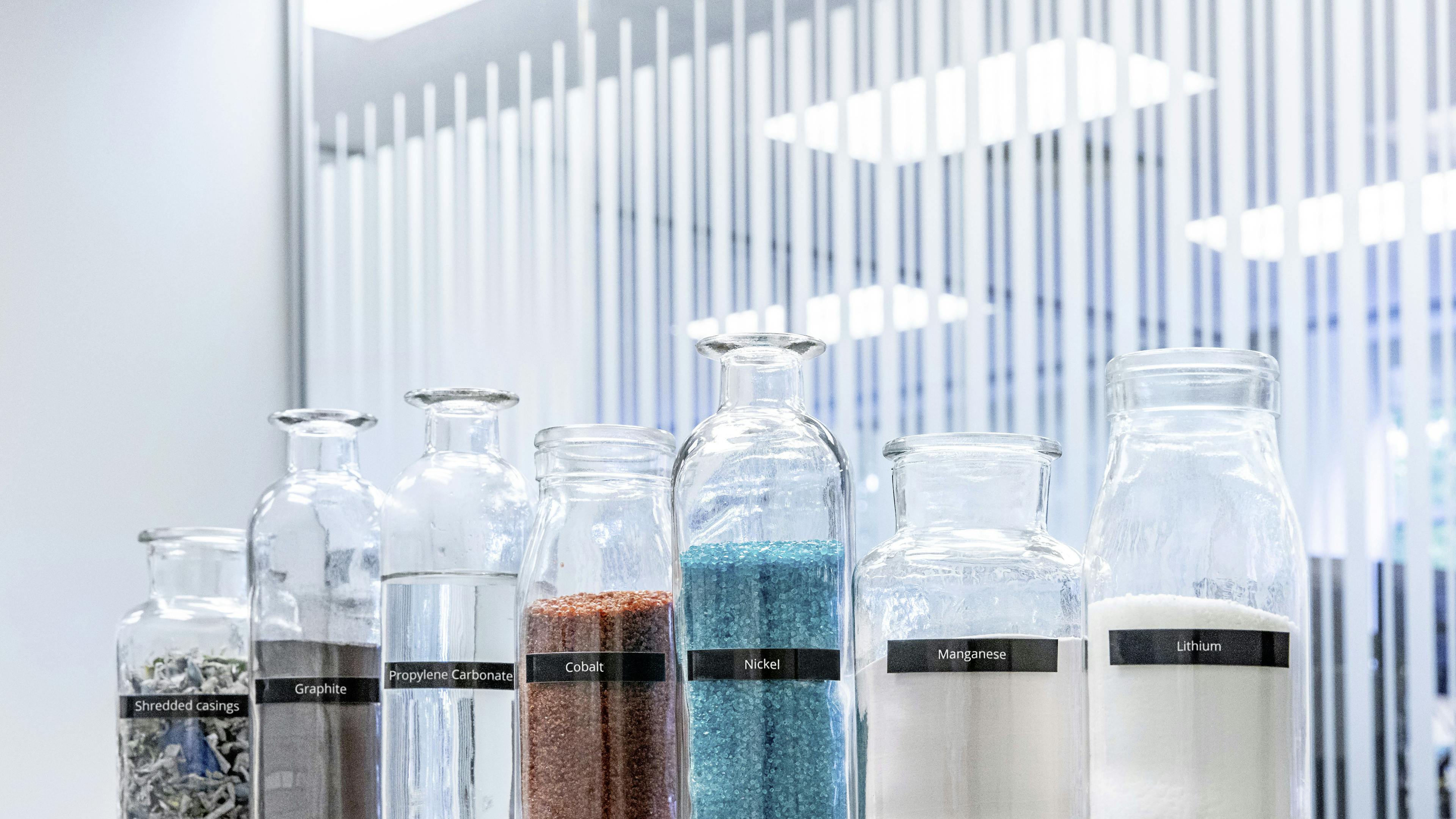
Currently, NMC batteries, the most common variant of lithium-ion storage systems, are mainly used in our cars. Huge production facilities, especially in China and Korea, ensure high-quality batteries that are used internationally by car manufacturers. CATL (32 percent), LG Energy Solution (21 percent), Panasonic (15 percent), BYD (7 percent) and Samsung SDI (5 percent) are the world's largest battery producers (share of global production in brackets), accounting for three-quarters of global production volume and constantly developing their batteries.
Of course, research is not only being done in China and South Korea, Europe is catching up
However, it is not only the large Asian companies that have dedicated themselves to improving the batteries, CustomCells is also one of them. The medium-sized company is based in Itzehoe in Schleswig-Holstein and is considered one of the first addresses when car manufacturers have special custom batteries built according to their wishes. CustomCells, in turn, works with small specialist companies such as OneD Battery Sciences, based in Palo Alto, not least to lower prices for future generations of batteries and increase performance. This is because OneD relies on anodes to which silicon is added. And silicon is very cheap, but at the same time it improves the performance of the batteries, allows faster charging and higher energy density – regardless of how the rest of the battery chemistry is structured. There is still a lot of potential for improvement in the Li-Ion batteries, which can already look back on a development history of around 30 years. They were originally invented primarily for use in cameras and mobile phones.
Cheaper batteries are at the top of the wish list of car manufacturers. In some cases, they are breaking new ground, for example with LFP battery chemistry. Basically, this is another variant of the Li-Ion battery and you would have to write LiFePO4 quite correctly, because the abbreviation stands for lithium iron phosphate. This chemistry has also been used in cars for a few years, initially in China, including in the Tesla Model 3 assembled there. Above all, the iron that is used costs only a fraction of the ingredients needed for the NMC batteries.
However, the LFP battery has some disadvantages. Two stand out in particular: its lower energy density and its cold problem. This is because the feel-good range of LFP batteries is very limited: they don't like frost at all, then they are reluctant to release energy and are difficult to charge. The developers have found a clever solution to this problem, they let the battery heat up itself. However, some range is lost in the process, because electricity needed for heating is not available for propulsion. Which brings us to the second disadvantage, the lower energy density. LFP batteries can store less electricity per volume than NMC batteries. Professor Dr. Maximilian Fichtner, Managing Director of the Helmholtz Institute Ulm: "The storage capacity of current LFP cells is around 160 to 180 watt hours per kilogram, which is weaker than that of cells with nickel- and cobalt-containing materials. These deliver about 250 watt hours per kilogram."
New designs are intended to make batteries more powerful, but not larger
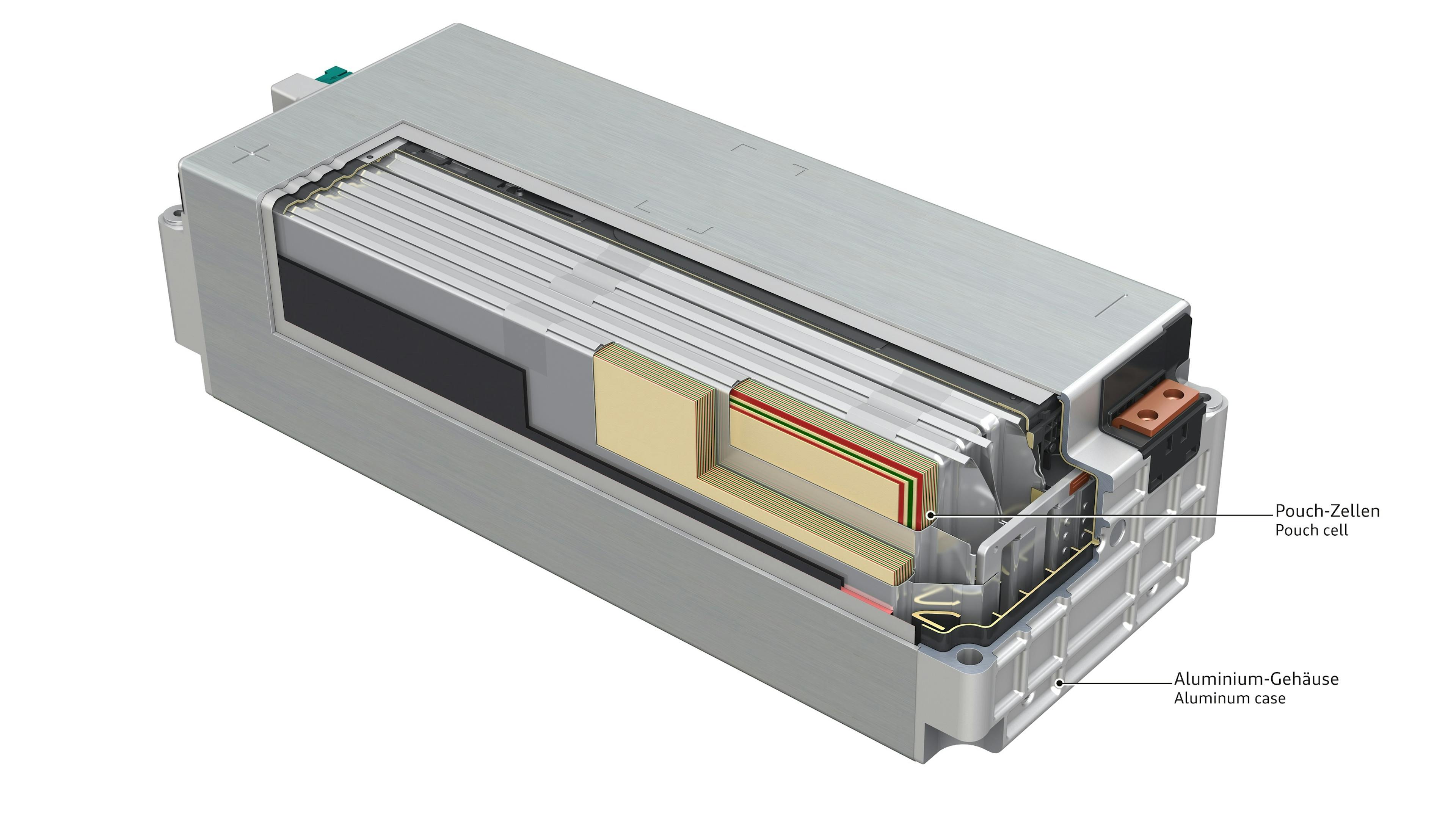
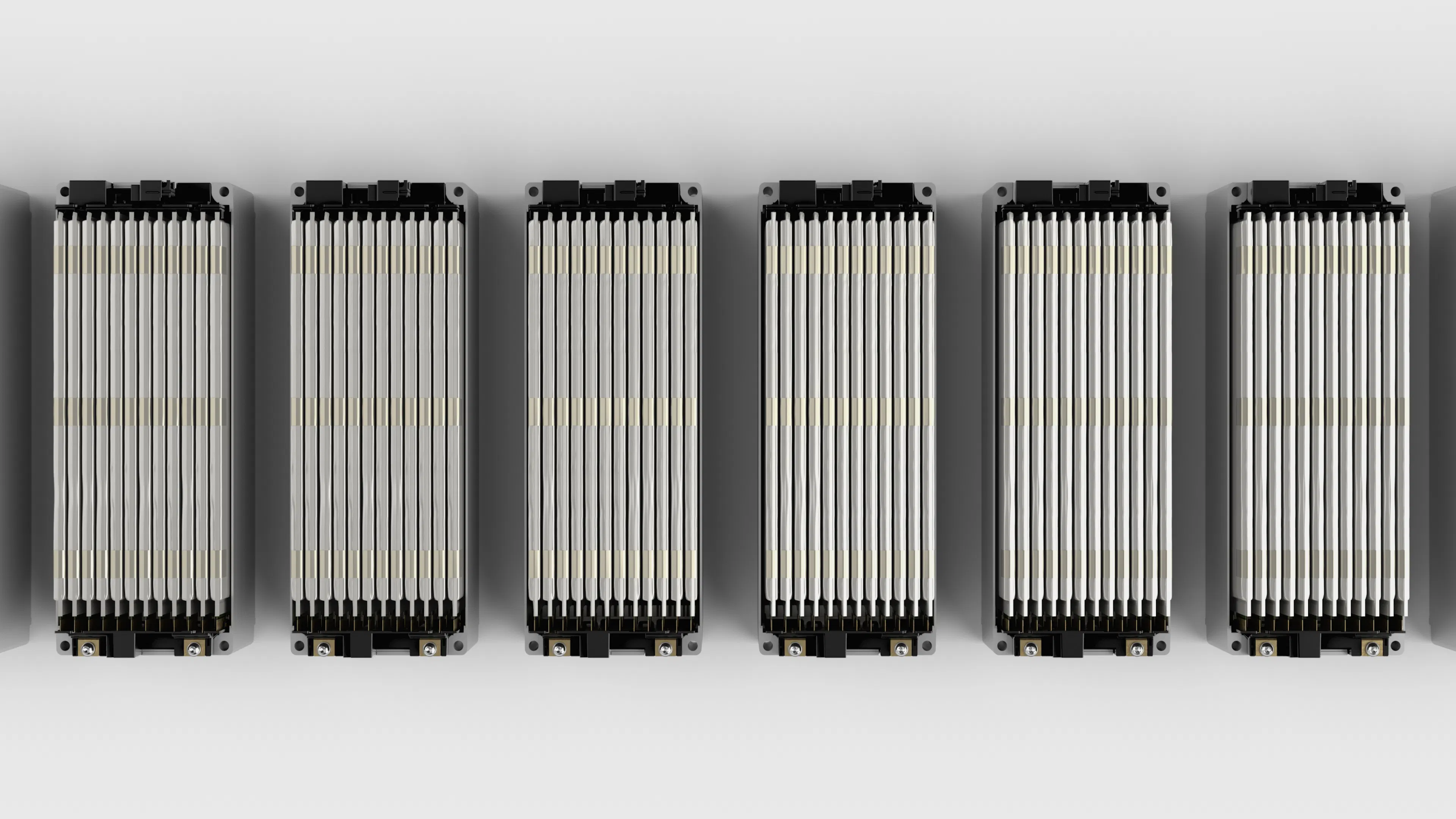
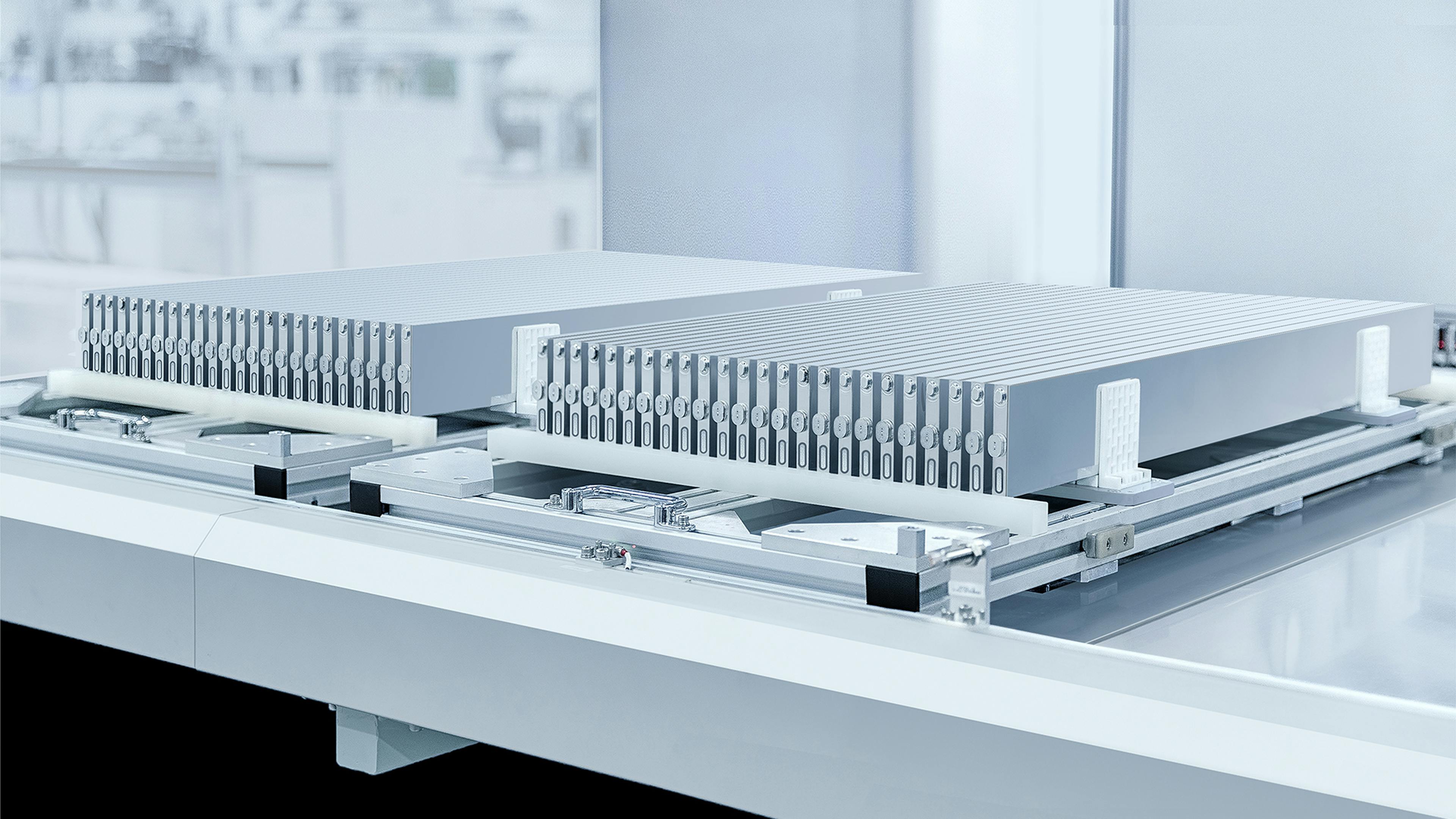
But the developers have also come up with something for this. Instead of combining small batteries in a large number of modules, which are ultimately connected to form a large battery pack, the manufacturers of LFP batteries are resorting to the still young design of cell-to-pack technology. They do not use small round or pocket-shaped pouch cells, while cell-to-pack relies on large, flat cells. Only a few of them are still connected together and make up the battery pack, and they make much better use of the installation space than the small-scale conventional Li-ion cells.
So far, only LFP battery chemistry has been suitable for this design because it is much more robust than the NMC cell, which is relatively thermally sensitive and therefore dependent on very regulated cooling. In this respect, the LFP cell is less demanding. Even the risk of fire and thus the dreaded runaway of the entire battery, known in technical jargon as thermal runaway, decreases, even with cell-to-pack, despite the high packing density.
If we look into the future, however, the question arises as to whether the cell-to-pack batteries can be repaired at a reasonable cost. This is possible with battery packs that are made up of individual modules. If a car battery has lost a significant part of its storage capacity, for example after eight or ten years of operation, the weak modules can be replaced with new ones. This greatly extends the service life of the batteries. To this end, an infrastructure is currently beginning to develop that specializes in battery repairs.
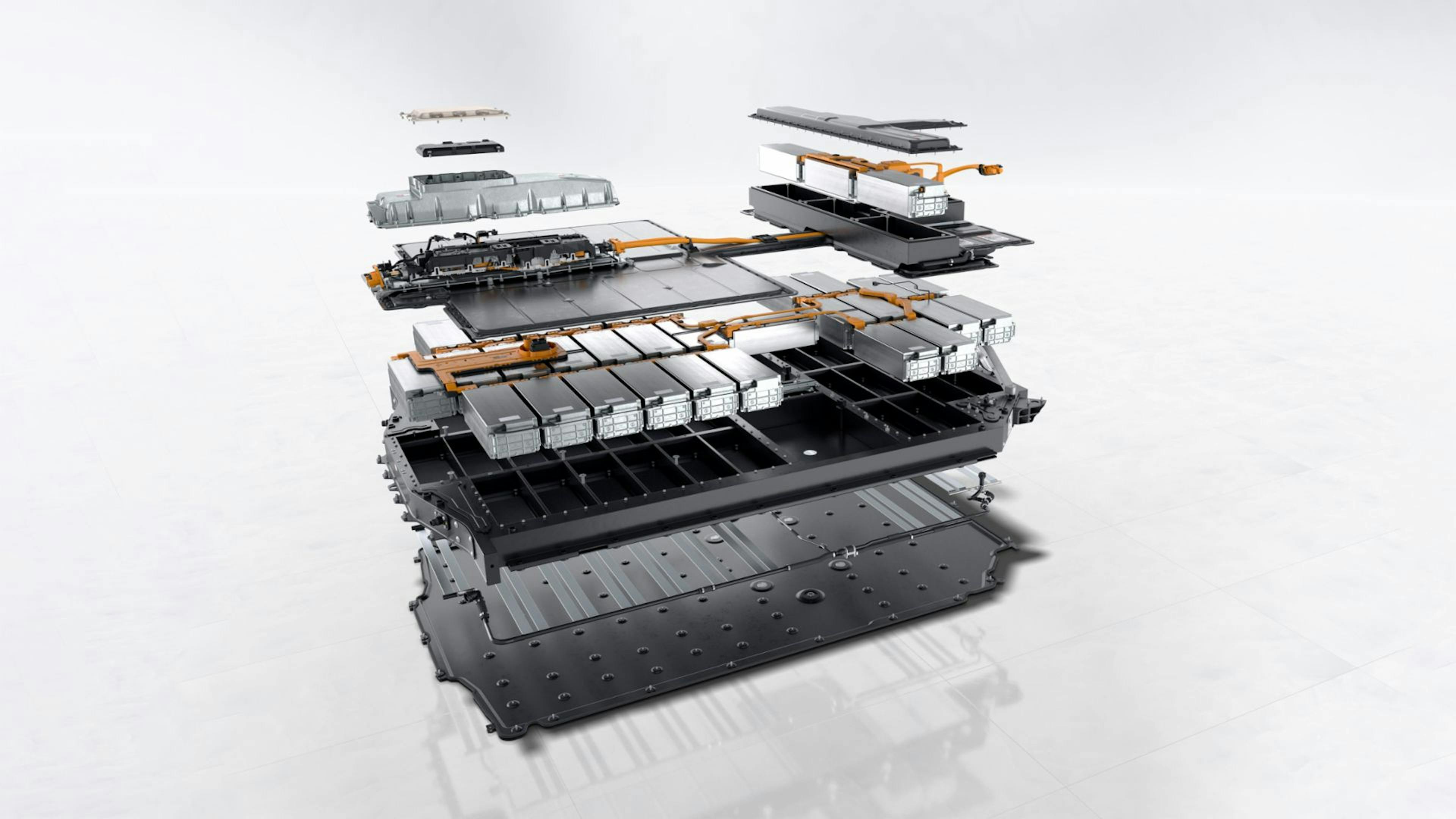
Even experts such as Professor Dr. Maximilian Fichtner cannot yet conclusively assess whether this is also possible with the large cell-to-pack cells: "Details about cell-to-pack batteries are hardly known and the manufacturers' designs are also different." CATL, LG, BYD and other smaller battery manufacturers are currently developing this technology. However, many years will pass before a repair industry has developed here.
The future belongs to the solid-state battery – perhaps
It is possible that by then a completely different battery technology will have prevailed: that of solid-state batteries. The technology, in which a ceramic, solid separator controls the flow of energy in the battery and isolates the two poles from each other, is promising. QuantumScape is one of the companies that is particularly committed to this. For example, the Volkswagen Group is cooperating with the Americans and is focusing on the advantages of higher energy density, better safety and high charging speeds. Great progress has recently been made in development: Over several months, solid-state cells underwent extensive tests in the battery laboratories of PowerCo in Salzgitter, the battery company of the Volkswagen Group. The requirements were significantly exceeded and more than 1,000 charging cycles were successfully completed. For an electric car with a WLTP range of 500 to 600 kilometres, this corresponds to a mileage of more than 500,000 kilometres. At the same time, the cells hardly aged and still had 95 percent of their capacity at the end of the test. "The test results make it clear that the anodeless solid-state lithium metal cells are capable of exceptional performance," said Jagdeep Singh, CEO of QuantumScape. "While we still have more work to do to bring the technology to market, we are currently not aware of any other automotive-sized lithium metal battery that has demonstrated such high cycle stability over a comparable number of charges under similar conditions. We are excited to bring this technology to market as soon as possible."
However, series production is still a few years away and the solid-state batteries will initially be much more expensive than the current ones. The new batteries are therefore likely to be used in the Volkswagen Group initially in the models of Bentley, Porsche and Audi.
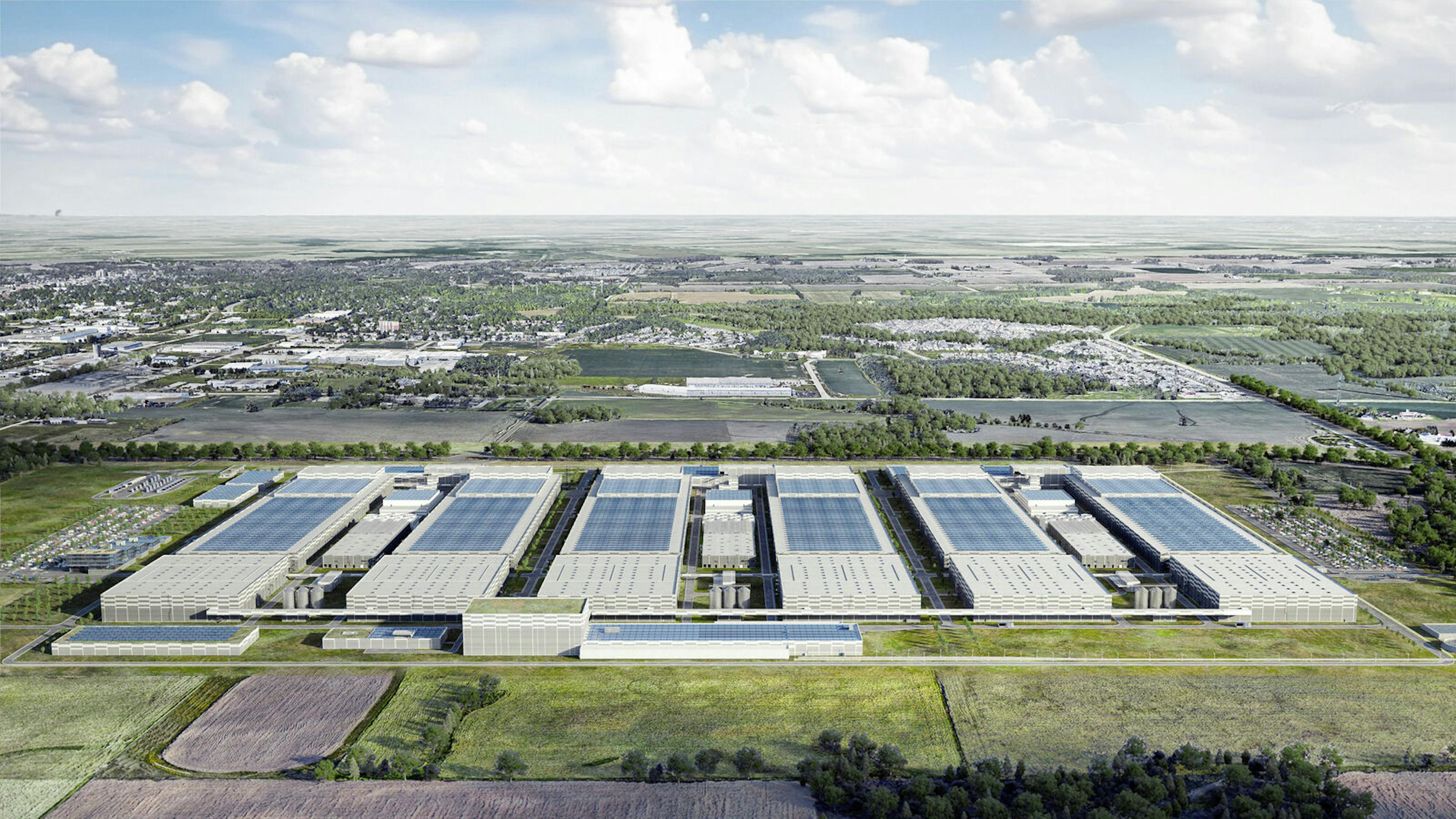
Another problem for the launch of the new solid-state batteries is that they require completely different production facilities than the Li-ion batteries. However, the incentive for CATL, LG and Co. to invest in new plants is low, which speaks against their imminent success. And finally, the current battery chemistry still offers a lot of room for leaps in development.
One example is the battery type from CATL called Shenxing. It is based on the cheaper LFP technology and, according to the manufacturer, is the world's first super-fast-charging LFP battery, which enables a range of 400 kilometers on a ten-minute charge and a range of over 700 kilometers on a single full charge. CATL started mass production as early as the end of 2023 and at least in China, car manufacturers are queuing up to be able to install this type of battery in their models. Not least because LFP batteries are extremely cycle-resistant. Or to put it another way, they almost don't care how often they are charged and discharged, they can easily cope with 5,000 charging strokes. Depending on the battery size, this means that total ranges of one to two million kilometers are possible before the battery loses more than 20 percent of its capacity.
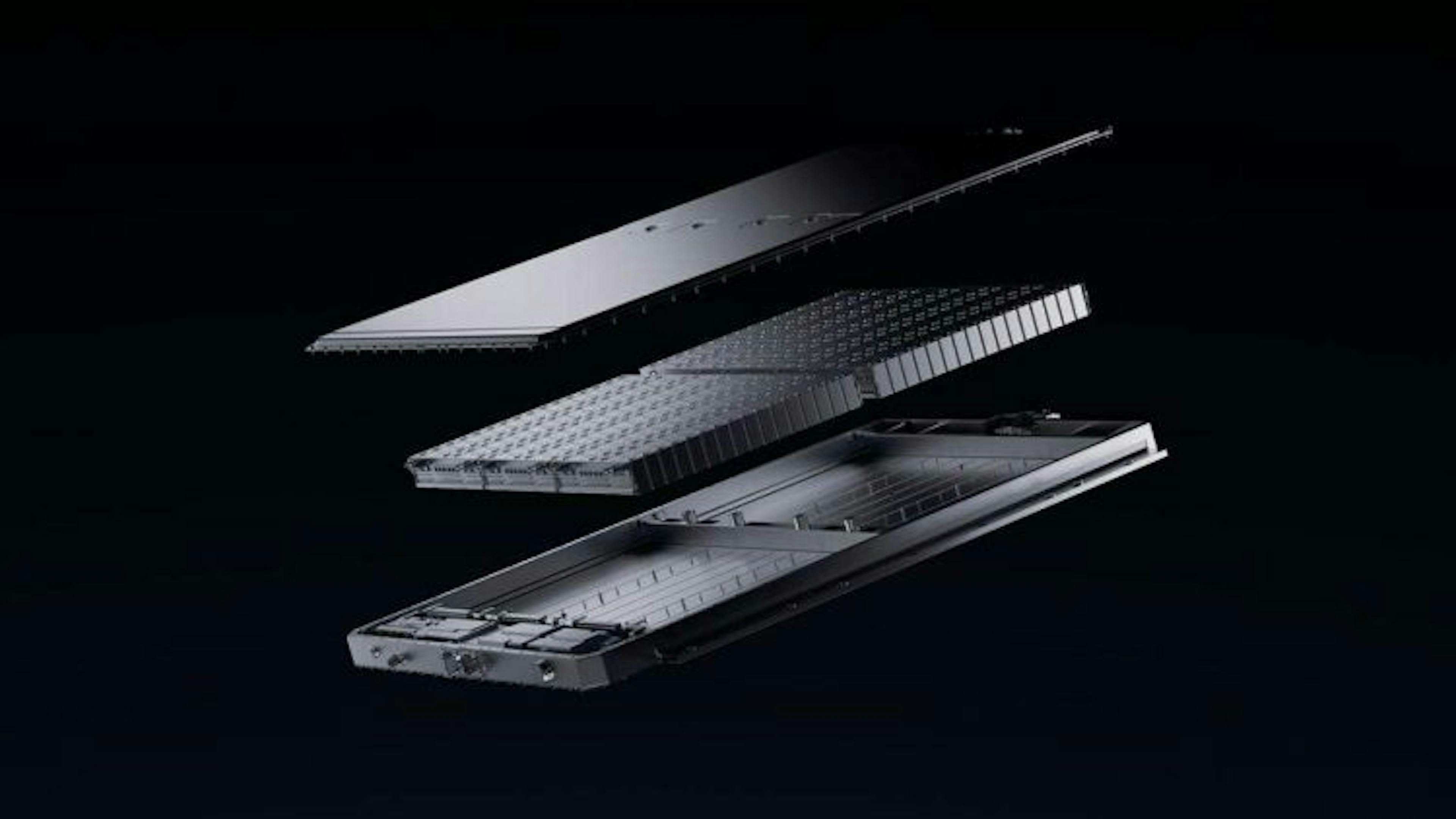
The developers of the solid-state battery have to stretch quite a bit to achieve the values of the Shenxing LFP battery. And we car nerds have to change, because the important quartet value "from zero to a hundred" is no longer measured in seconds and describes acceleration, but in minutes and tells us how fast the battery stores electricity. So even with e-mobility, we are not running out of topics to talk about. Not least because exotic batteries such as sodium-ion cells can be seen on the horizon.
Batteries can also be built with raw materials available in Germany
In China, cars with sodium batteries are already on the market in small numbers, and for German industry they would be an interesting opportunity to decouple themselves from the use of expensive raw materials that are only available abroad. "Thanks to its unique properties, a sodium-ion battery can be used to press the reset button, so to speak, for the conventional way of thinking and using batteries. In the case of sodium batteries, we can suddenly make use of a domestic raw material base that is independent of strategic, even critical imports. The necessary technological infrastructure is also in place. This is the opportunity for value creation in Germany," says Professor Dr. Michael Stelter from Fraunhofer IKTS. Sodium is actually practically unlimited and therefore inexpensively available in Germany, for example in the form of sodium chloride, better known as table salt. In five years, the German-made Na-ion battery could be ready for mass production, the IKTS researchers predict.
However, the salt batteries have not yet come out of the laboratories of the German developers. But it won't take long. The battery chemistry and the structure of our traction batteries definitely remain an exciting topic for us car nerds.
This speaks for or against the different battery types
NMC Battery
Advantages:
-
Mass production worldwide
-
Fast-charging capability
-
Relatively high energy density
Disadvantages:
- Expensive materials (mainly cobalt, but also nickel and manganese)
- Less robust, risk of thermal runaway
LFP Battery
Advantages:
-
Cheap raw materials (especially iron)
-
Robust, no fire hazard, no thermal runaway
-
Very cycle-resistant (long service life)
Disadvantages:
- Low energy density
- Not very efficient at low outside temperatures
Solid-state battery
Advantages:
-
Very high energy density
-
Very fast-charging capability
Disadvantages:
- Not yet tested in large-scale production
- Very expensive
Sodium-ion battery
Advantages:
-
Cheap raw materials (sodium)
-
Raw materials that are readily available worldwide
-
Highly resistant to temperature fluctuations
Disadvantages:
- High weight
- Low energy density